
Vanilla Royal

Vanilla tahitensis J.W. Moore

Vanilla Tahitensis

Blumig und fruchtig anstelle von balsamisch. Komplexeres Aromaprofil, sehr gefragt in der Pâtisserie und Parfümerie.

HS-Code
0905.10.00
Herkunft
Indonesia (Papua)
Verpackung
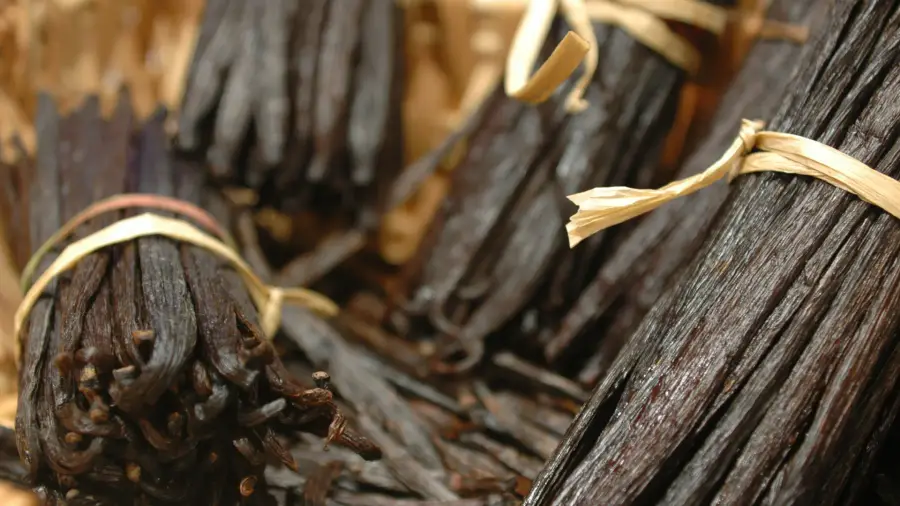
Vacuum plastic; bulk plastic for Grade C
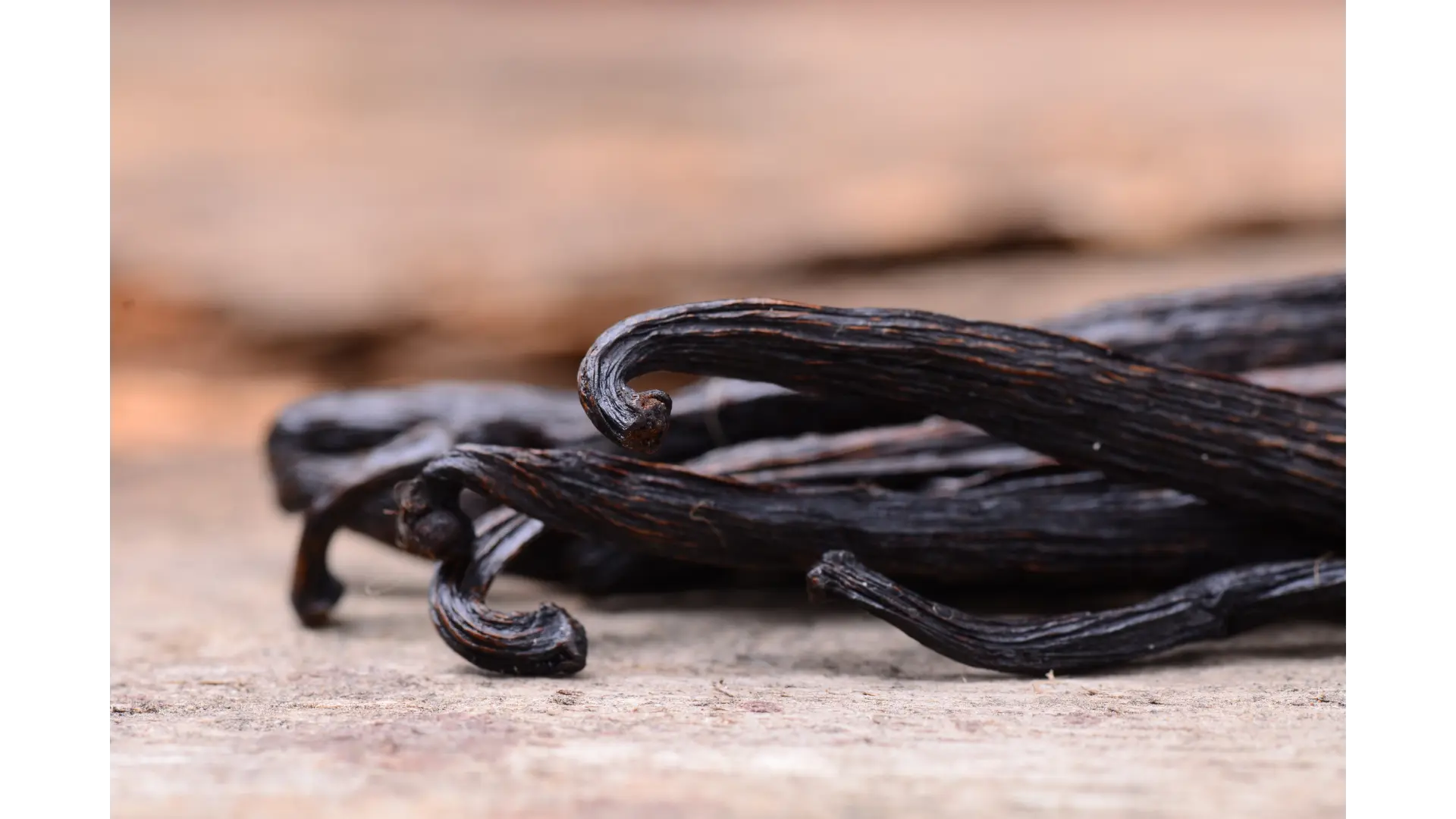
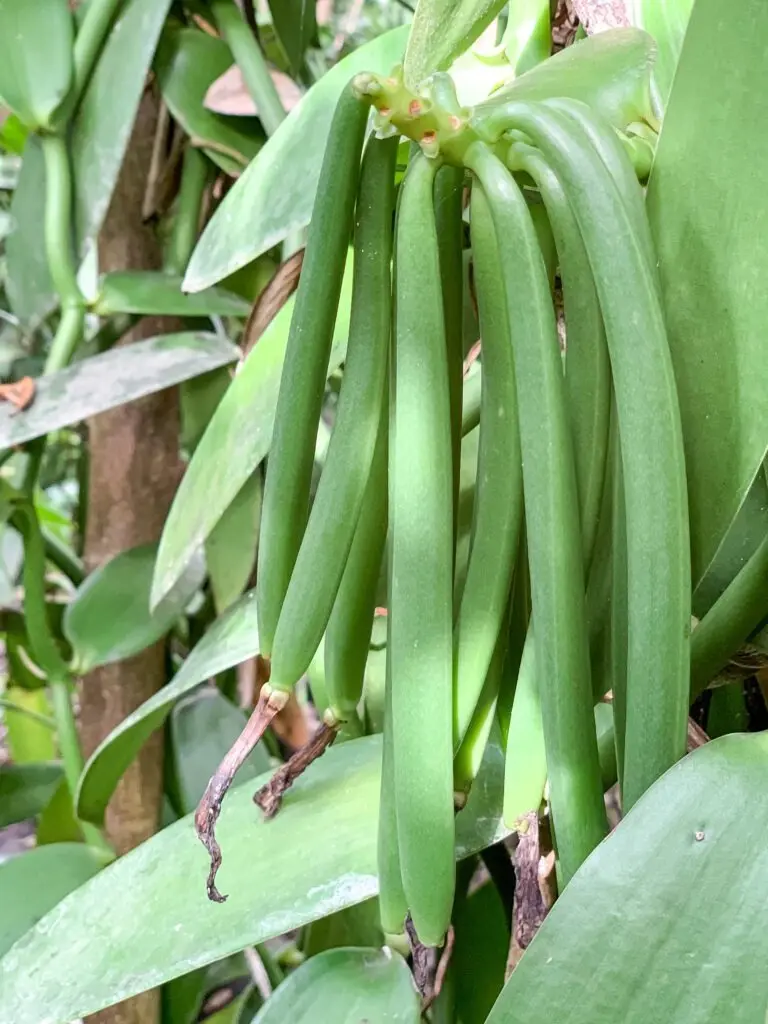
Indonesian Vanilla Tahitensis beans showing reddish-brown colour and plump shapeVanilla Tahitensis pods ripening on the vine in Indonesia
Vanillingehalt
1.5 – 1.0%
Länge
16 – 13 cm
Aroma
Blumig, fruchtig, sanft, komplex
Textur
Ölig, biegsam, fest

Spezifikationen

GeschmackElegante florale Note mit Fruchtakzenten
FarbeGlänzend dunkelbraun
Verfügbare QualitätenGourmet, Grade A, Grade B, Grade C
VerarbeitungHandpflückung bei Reife, traditionell fermentiert

Qualitätsmatrix

Qualitätsmatrix
QualitätFeuchtigkeitLängeGewicht pro SchoteAussehenAroma
Gourmet PremiumIdeal für: Premium-Pâtisserie, Parfümerie und DessertsAbove 30%14 – 16 cm4 – 5 gÖlig, prall, ungespalten, biegsam, glänzendBlumig-süß mit feinen Fruchtnoten
Grade A PremiumIdeal für: Premium-Anwendungen und Gastronomie25 – 30%14 – 16 cm3 – 4 gÖlig, leicht fest, weich, leicht faltigBlumig-süß mit feinen Fruchtnoten
Grade B PremiumIdeal für: Extraktion und Industrie15 – 20%13 – 16 cm2 – 3 gHalbtrocken, biegsam, weniger öligLeicht blumig mit Fruchtnoten
Grade C PremiumIdeal für: Großextraktion und IndustrieNatural / lowAlle Längen2 gTrocken, spröde, gespalten, rauMilder floraler Vanilleduft

Feuchtigkeit bestimmt Aroma und Haltbarkeit.

Empfohlene Verwendung

  • Perfumery and fragrance
  • Gourmet desserts
  • Premium pastry
  • Aromatic infusions

Qualität & Zustand

  • 100% pure and natural
  • No additives, preservatives or artificial flavourings
  • GMO-free
  • Gluten-free
  • Allergen-free
  • Food-grade

Häufige Fragen

Why is Tahitensis vanillin lower than Planifolia?
Tahitensis carries 1.0–1.5% vanillin against 2–4.3% for Planifolia, but that understates it. Its value is aromatic complexity. Heliotropin and other compounds give floral and fruity notes Planifolia does not have. Buyers choose it for aroma, not vanillin strength.
Should I choose Tahitensis or Planifolia?
Choose Planifolia for extract, ice cream and chocolate, where you want classic warm vanilla and high vanillin. Choose Tahitensis for pastry, perfumery and applications where the vanilla is tasted directly and its floral character can be perceived.
Where is your Tahitensis grown?
Our Tahitensis comes from Papua, Indonesia. It is cured at our facility in Magelang, Central Java, using the same five-stage post-harvest process as our Planifolia.
Is Tahitensis suitable for extraction?
It can be extracted, and Grade B and C are priced for it, but most buyers find Planifolia more cost-effective for extract because of its higher vanillin. Tahitensis extract is usually chosen deliberately for its floral profile.