Vanilla arrives from us already correctly packed for export: vacuum-sealed for Gourmet through Grade B, bulk plastic for Grade C, HDPE bottles for liquids. What happens after delivery is your responsibility, and it is where a surprising amount of quality gets lost, not in transit but in the weeks after arrival.
Whole beans
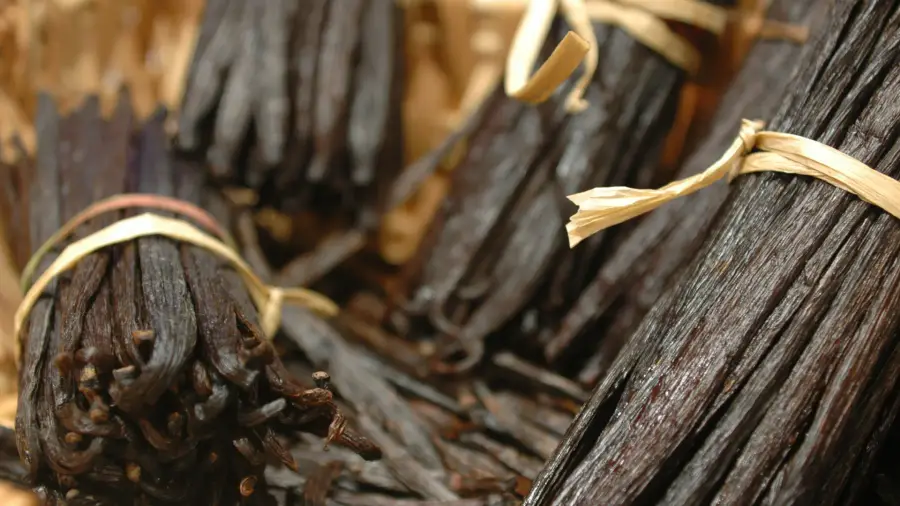
Keep beans vacuum-sealed until you are ready to use them. Once opened, transfer to an airtight container and store at cool room temperature, away from direct light. Do not refrigerate: condensation on the beans as they warm back up encourages mould, which is a far more common cause of spoilage than the beans simply drying out. High-moisture grades such as Gourmet need more attention than a dry Grade C, since they carry more water to begin with.
Paste, caviar and extract
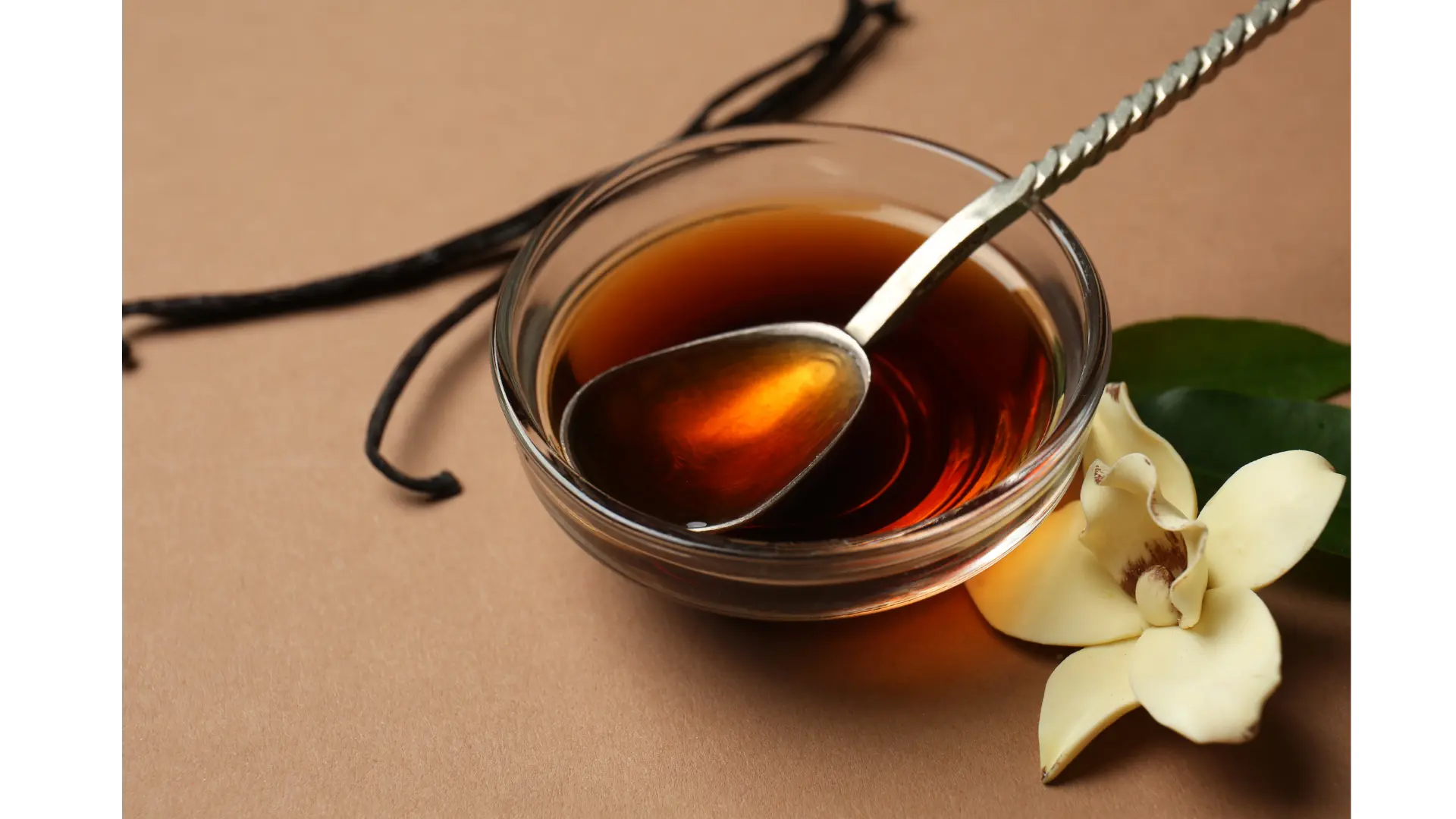
Liquid and semi-liquid products keep well at cool room temperature in their original sealed containers. Caviar, at 30 to 35% moisture, is the most perishable of the group, reseal it promptly after opening and use clean, dry utensils, since introducing moisture or contamination from a wet spoon shortens its shelf life noticeably.
Signs of a problem, and what they mean
- White, needle-like crystals on a whole bean are crystallised vanillin (givre), a quality marker, not spoilage.
- Fuzzy or spotted growth, especially after refrigeration, is mould, discard the affected beans.
- A whitish bloom that wipes off easily and has no smell is usually just surface moisture migration, not a defect.
Most of what buyers mistake for spoilage is actually one of the two things above, condensation-driven mould from refrigeration, or harmless vanillin frost mistaken for mould. When in doubt, smell before you discard: genuine spoilage smells off, not like vanilla.