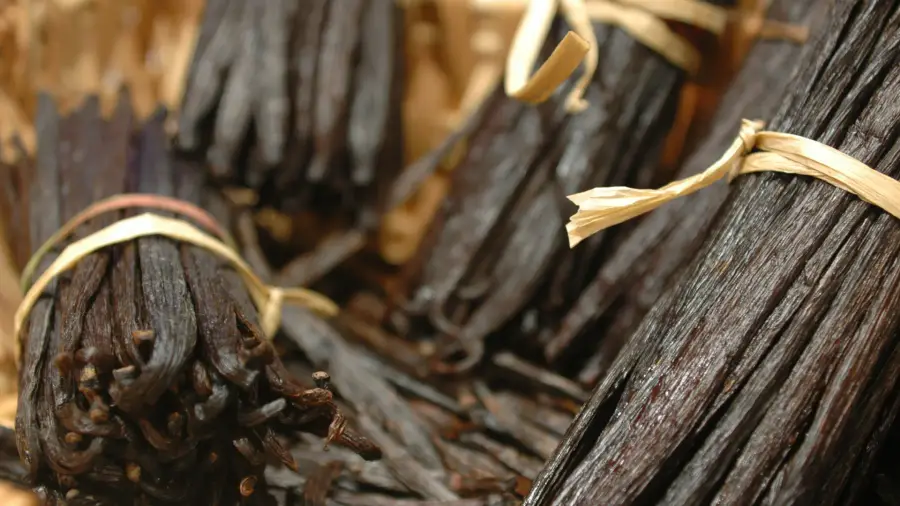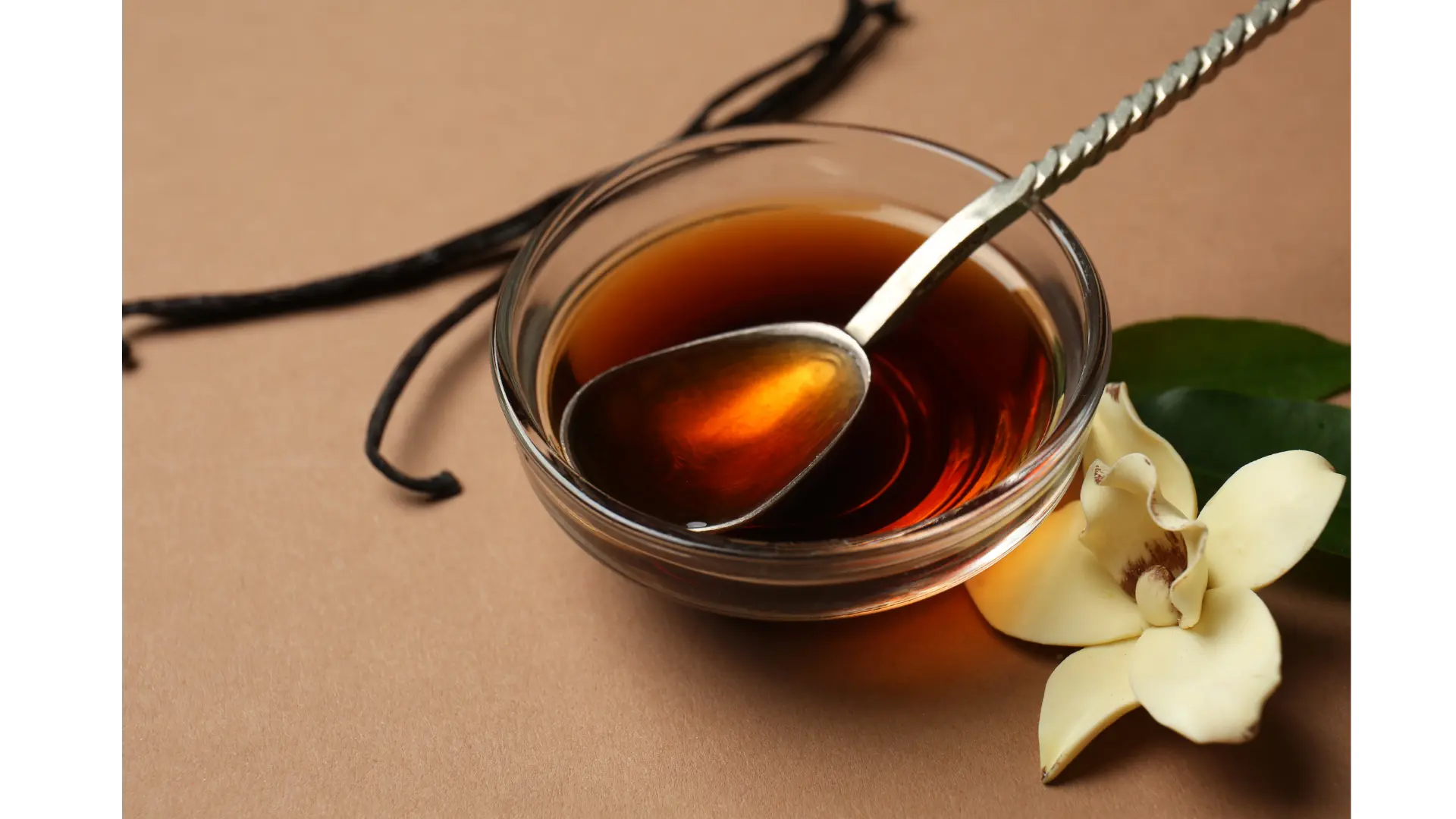
"Vanilla" is not one flavour, it is a family, and the two species we grow, Vanilla planifolia and Vanilla tahitensis, sit at opposite ends of it. Understanding why helps you choose correctly instead of by habit.
Vanilla Planifolia: the reference profile
Planifolia is the Bourbon-type bean most people picture when they hear "vanilla": balsamic, warm, rich in vanillin, 2 to 4.3% depending on grade. Vanillin is the dominant aromatic compound, and it is what gives baked goods, ice cream and chocolate that classic, unmistakable vanilla note. Our Planifolia is grown across Indonesia and cured at our facility in Magelang, Central Java.
Vanilla Tahitensis: aromatic complexity over strength
Tahitensis carries only 1.0 to 1.5% vanillin, noticeably lower, but that number understates its value. Its character comes from a different compound set entirely, including heliotropin, which produces the floral, fruity, almost anise-like notes Planifolia does not have. Our Tahitensis comes specifically from Papua, Indonesia, and is cured using the same five-stage process as our Planifolia.
Choosing between them
- Extract, ice cream, chocolate, baking where classic warm vanilla and high vanillin matter most: Planifolia.
- Pastry, perfumery, gourmet desserts where the vanilla is tasted directly and its floral character can be perceived: Tahitensis.
- Cost-sensitive extraction runs: Planifolia, its higher vanillin makes it the more economical choice per unit of extractable flavour.
Neither species is objectively better, they are suited to different sensory goals. If your recipe or your customer expects the familiar vanilla note, buy Planifolia. If you are building a dessert or fragrance where vanilla is meant to be noticed as floral and complex rather than just warm and sweet, Tahitensis is worth the lower vanillin.